
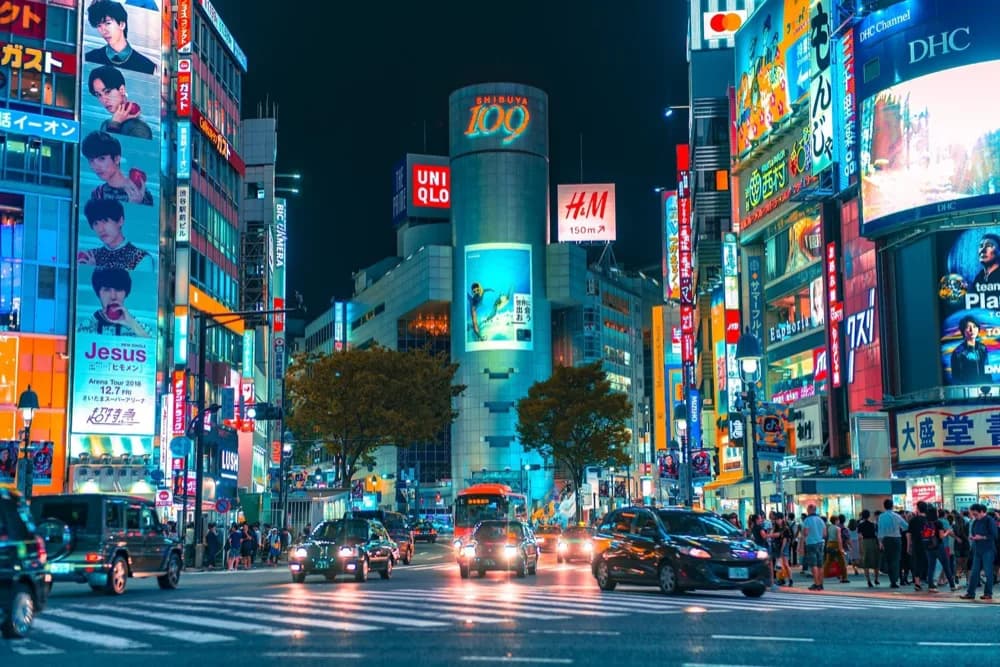
The short answer: Bucketlist Japan is a curated group trip for adults applying from India who may be travelling solo. You request an invite, the ExCo team reviews applications for the edition, and the current trip page publishes the route, dates, capacity, stay, itinerary, inclusions, exclusions and fee before you decide.
It is best for someone who wants Tokyo, Kyoto and Osaka with a planned group backbone and room to keep their own rhythm. It is not the best fit if you want instant booking, international flights bundled into the trip fee, a personal concierge, or complete control over every stay and daily decision.
What does the current Bucketlist Japan edition include?
- A published Tokyo, Kyoto and Osaka route across eight calendar days.
- A small group, with the capacity published for your specific departure on the current edition page.
- Planned anchor experiences, stays, selected meals and internal trip logistics listed on the current edition page.
- International flights, the Japan visa, airport transfers and personal or add-on spending kept outside the core trip fee.
- Multiple departure dates; the live edition page, not this article, governs current availability, price, inclusions and exclusions.
From India means the trip is designed and supported for Indian outbound travellers; it does not mean everyone takes one bundled flight from the same Indian airport. Check the confirmed arrival window, airport and flight plan for your exact departure before booking transport.
Is Japan good for solo group travel?
Japan works especially well for a first solo group trip because its major cities are connected by reliable public transport, while the cultural and language context still rewards having a plan and people to share it with. You keep the freedom of arriving solo without carrying every reservation, transfer and unfamiliar custom alone.
When is the best time to visit Japan?
There is no single best month. Spring brings blossoms and crowds, summer brings festivals and humidity, autumn brings comfortable weather and foliage, and winter brings clear city days, snow country and onsen season. Japan's tourism board flags New Year, Golden Week and the mid-August Obon period as especially busy, so book transport and stays early around those dates.
Why combine Tokyo, Kyoto and Osaka?
Tokyo, Kyoto and Osaka give a first trip three distinct readings of Japan: contemporary scale, traditional craft and temple culture, then food-led nightlife and a looser Kansai energy. The Tokaido-Sanyo Shinkansen connects the route, so the journey feels like one story rather than three disconnected city breaks.
Day 1: Shinjuku Introductions
Meet everyone in Shinjuku, where Tokyo energy reaches peak intensity. Evening drinks and dinner launch your Japan education, but the real introduction happens through the surprise waiting for your crew.
Shinjuku after dark is not just neon and noise. It is organized chaos that makes perfect sense once you understand the rhythm. Your introduction to Japanese nightlife culture gives you context that turns every later experience from tourist observation into cultural participation.
First-night energy sets the tone: Japan does not reveal its secrets casually, but show up with the right tribe and the right attitude and access unlocks to experiences most visitors never imagine.
Day 2: Immersive Art and Tokyo Shopping District Mastery
Immersive art experiences in Tokyo redefine interactive entertainment: digital installations that respond to movement, light shows that envelop you, artistic technology that makes a museum feel like stepping into an alternate reality.
Then your cultural training continues in Tokyo premier shopping and dining districts. Learning how locals navigate department stores, find authentic restaurants, and hold their style standards gives you skills that improve every Tokyo moment. Artistic inspiration plus practical navigation builds the confidence that turns an overwhelming city into a manageable adventure playground.
Day 3: Mount Fuji and a slower horizon
The current route leaves Tokyo for a Mount Fuji day trip, trading the city grid for lake air, mountain roads and the scale of Japan most first-time visitors miss when they stay only on the classic city circuit.
The point is contrast rather than checklist speed. The exact stops can change with the departure, weather and operating plan, so use the live itinerary as the source of truth instead of assuming every Japan edition follows an old article word for word.
Japan does not just entertain. It educates, through experiences that change how you understand tradition, innovation, and cultural depth.
Day 4: Bullet Train and Kyoto Calligraphy
The bullet train to Kyoto turns transit into meditation. Watching the countryside blur past at impossible speed, inside engineered perfection, gives you time to process Tokyo intensity before Kyoto tranquility.
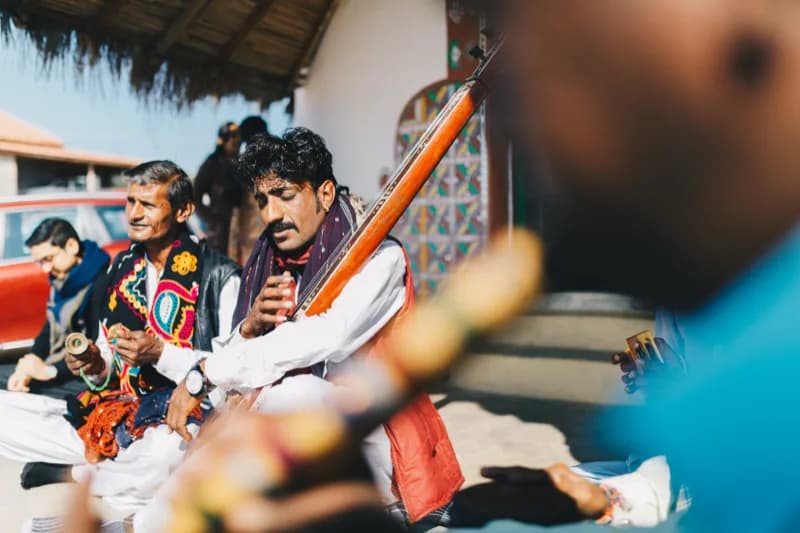
A Japanese calligraphy masterclass in the ancient capital teaches a traditional skill that demands patience, precision, and artistic vision. Learning brush technique, ink flow, and character formation is hands-on understanding of Japanese artistic principle. This is not tourist craft time. It is cultural skill acquisition, an art form most visitors only watch through museum glass.
Day 5: Ancient Town Zen Discovery
Find your zen in an ancient town where time moves to traditional rhythms rather than modern schedules. Temple visits, traditional architecture, and quiet cultural sites create contemplative space that balances Japan intense energy.
The town teaches patience, observation, and presence, skills that improve every trip you will ever take. The contrast between Tokyo neon and this stillness shows Japan full range and prevents cultural overload.
Day 6: Bullet Train to Osaka and the Underworld Journey
Hop the bullet train to Osaka for a journey into the underworld. Osaka underground culture runs differently from Tokyo organized chaos: rawer, more authentic, more connected to working-class Japanese life.
Underground exploration opens up the Japan tourists rarely reach: local hangouts, real food culture, and the social dynamics that live beneath surface politeness. Osaka is Japan kitchen, its sense of humor, and its way of staying authentic while welcoming anyone willing to venture past the tourist safety zone.
Day 7: Nara Deer and Traditional Mochi Making
Meet the famous deer of Nara, where ancient temples coexist with wildlife that approaches you fearlessly. These encounters are moments of natural wonder that balance cultural intensity with simple joy.
Then hand-pound your own mochi. Making it from scratch demands technique, timing, and cultural understanding, and leaves you with an appreciation for Japanese food culture that goes deeper than any restaurant ever could. Animal encounters and traditional cooking ground the whole education in tangible, memorable skill.
Day 8: Departure, Cultural Competence Achieved
Checkout day arrives, but Japan has permanently expanded your cultural comfort zone. The crew that navigated Tokyo, learned calligraphy in Kyoto, explored Osaka underground, and made mochi together carries shared experiences that turn into lifetime connections.
Fly home or stay longer with your new tribe. Either way reflects the confidence Japan builds in travelers who commit to full immersion over surface tourism.
The Japan Transformation
This expedition is cultural education spanning traditional art mastery to modern subculture. Japan complexity becomes manageable when you experience it with crew who share your commitment to depth over the grid.
What cultural access actually buys you
- A Mount Fuji day that opens up Japan beyond its biggest cities
- Calligraphy skill development in the ancient capital, not behind museum glass
- Osaka underground exploration past the tourist safety zone
- Traditional mochi making that goes deeper than any restaurant meal
Japan genius is preserving ancient tradition while embracing technological advance, and the route showcases both: calligraphy alongside immersive digital art, temple stillness alongside bullet-train precision, and Mount Fuji scale alongside manga creativity. That balance is a lesson well beyond travel.
Your Japanese Cultural Journey Awaits
Ready to trade the stereotypical Japan visit for a route built around cultural participation and shared discovery? Check the live edition rather than relying on a generic package comparison: the current page shows the real departure, availability, inclusions, exclusions and application path.
Come find your Tribe. The only question left is which part of Japan complexity fascinates you first.