Day 1
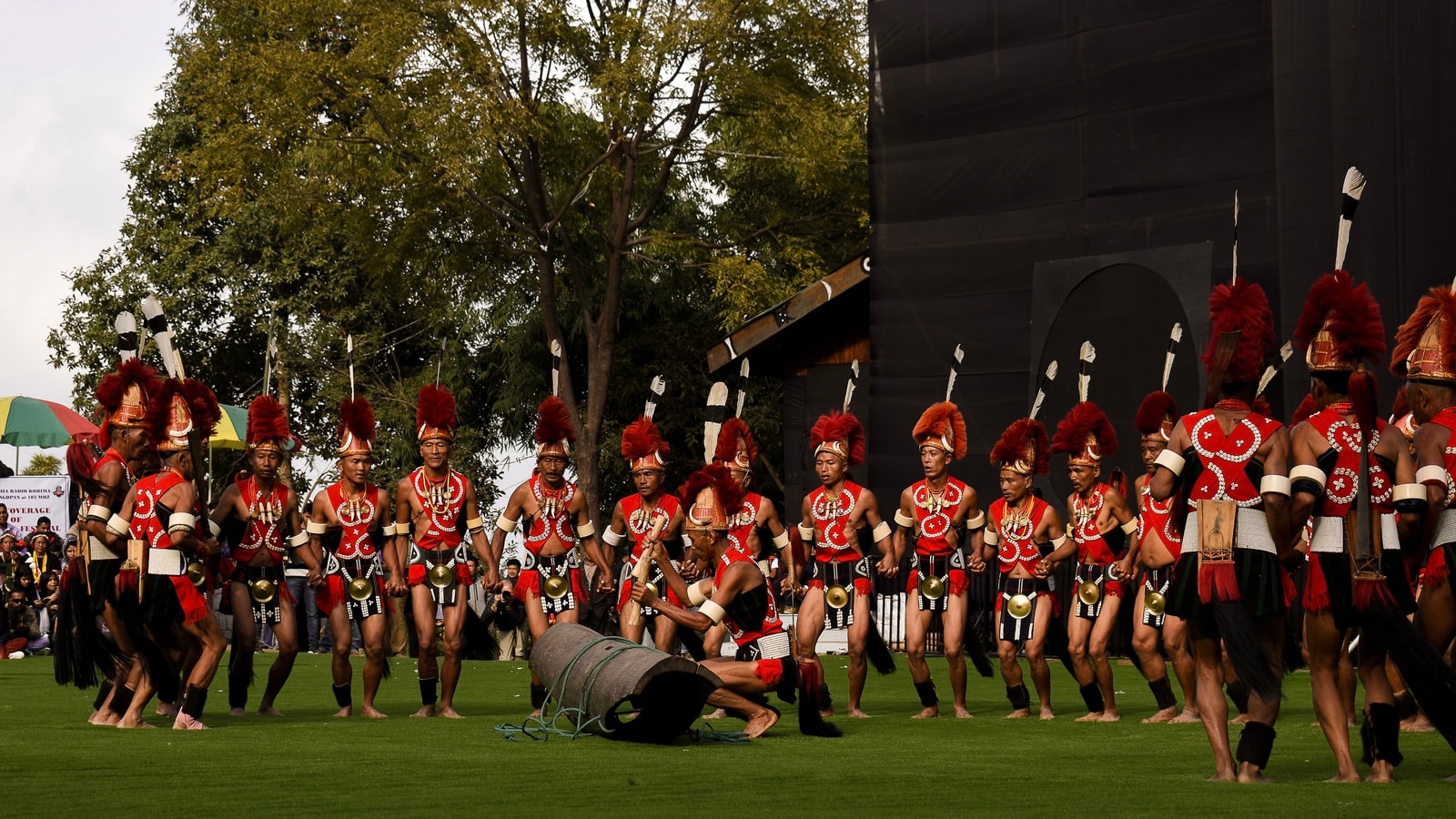
Every December, all seventeen Naga tribes gather on one festival ground at Kisama.
Nagaland
Dec 7–13, 2026
No payment is taken when you apply. If approved, you'll review your invitation and payment details before confirming.
Bucketlist × Nagaland — Hornbill, From the Inside
Dec 7 - Dec 13, 2026
The difference
A full route
The big moments are planned, with room to take them in.
Your own pace
Join in without having to perform from minute one.
No packed vans
Up to 14 people. No giant groups, endless roll calls or spending the day wondering why you even showed up.
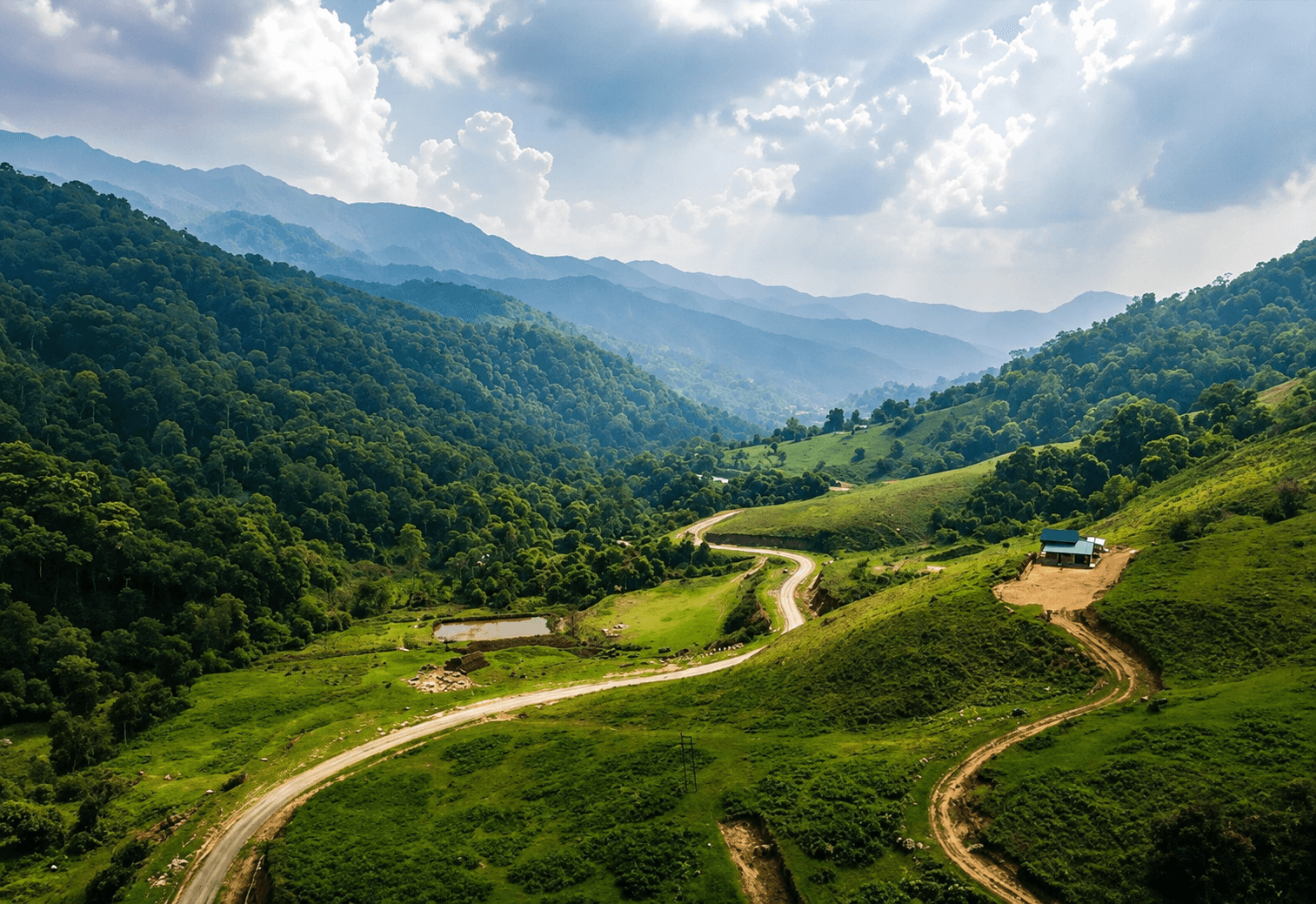
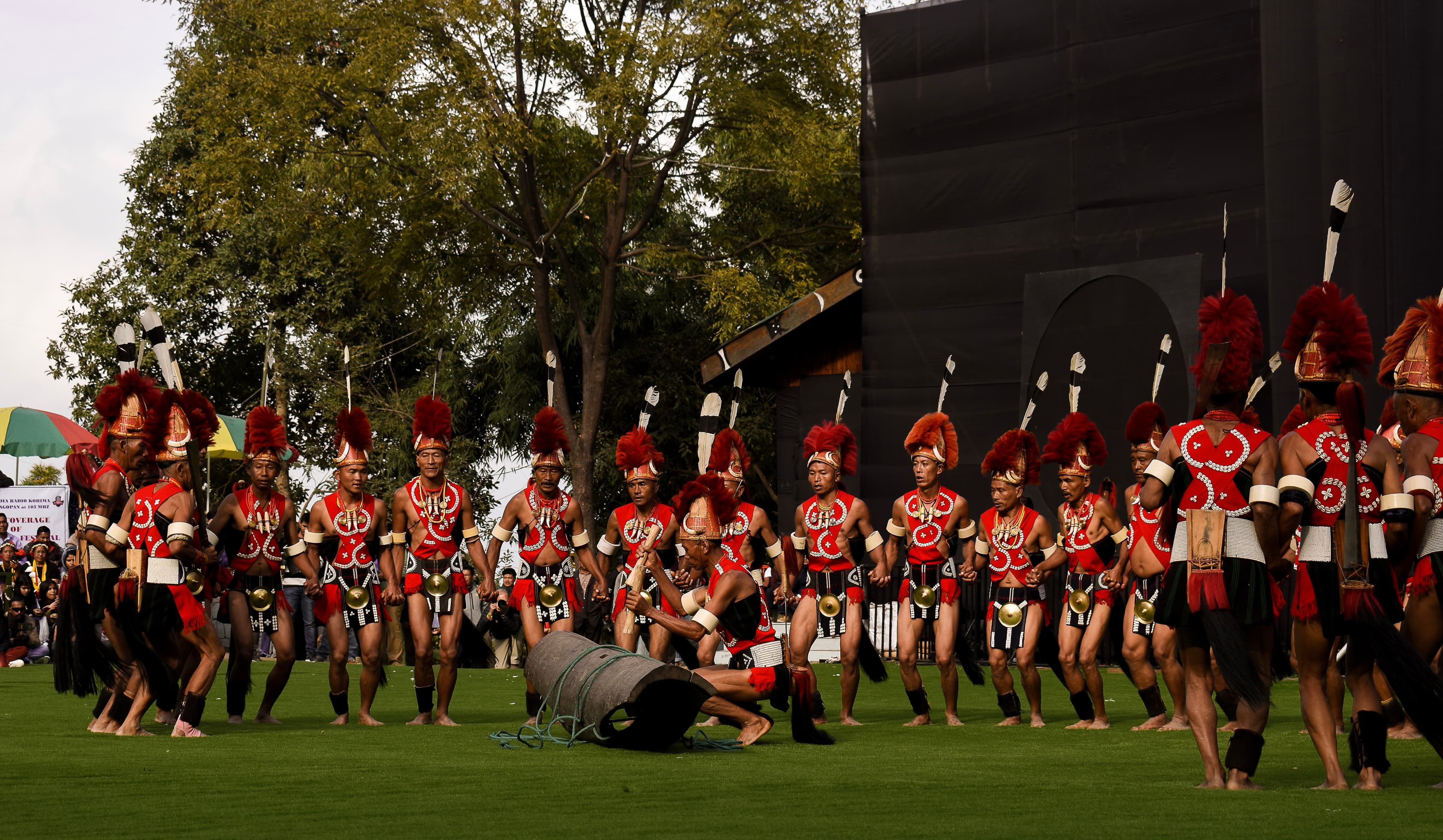
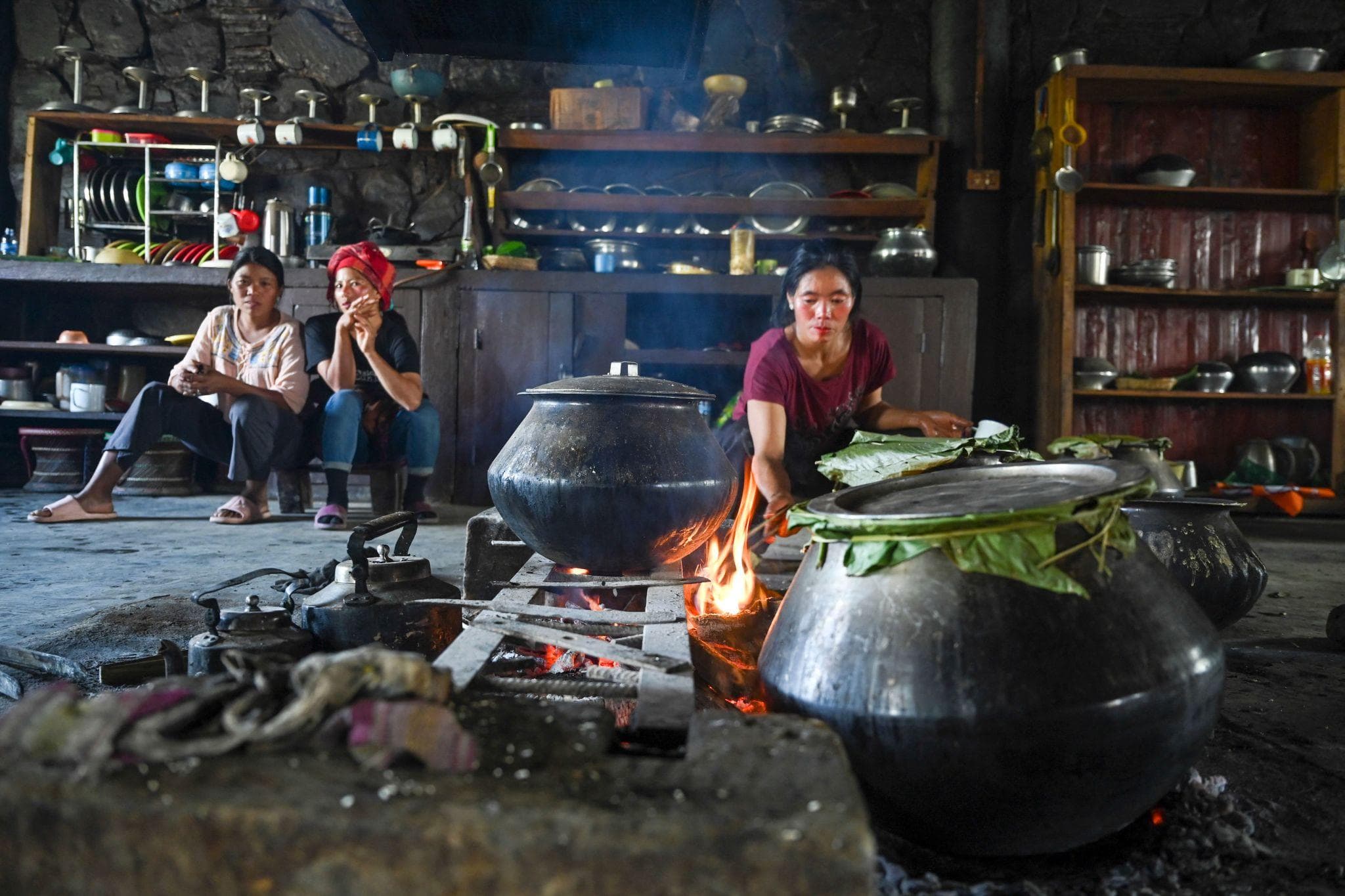
Every December, all seventeen Naga tribes gather on one festival ground at Kisama. Most travellers watch it from the crowd. You will live the week around it. Seven days through the Angami hills: a full immersion day at Hornbill, heritage walks through Khonoma and Dzuleke with local guides, the whole Closing Ceremony with every tribe in full regalia, and then two slow days in Tuophema, a living village of twelve clan cottages most travellers never reach. Home-cooked dinners, local rice brews, cold mountain nights, and a small tribe of fourteen who picked culture over comfort.
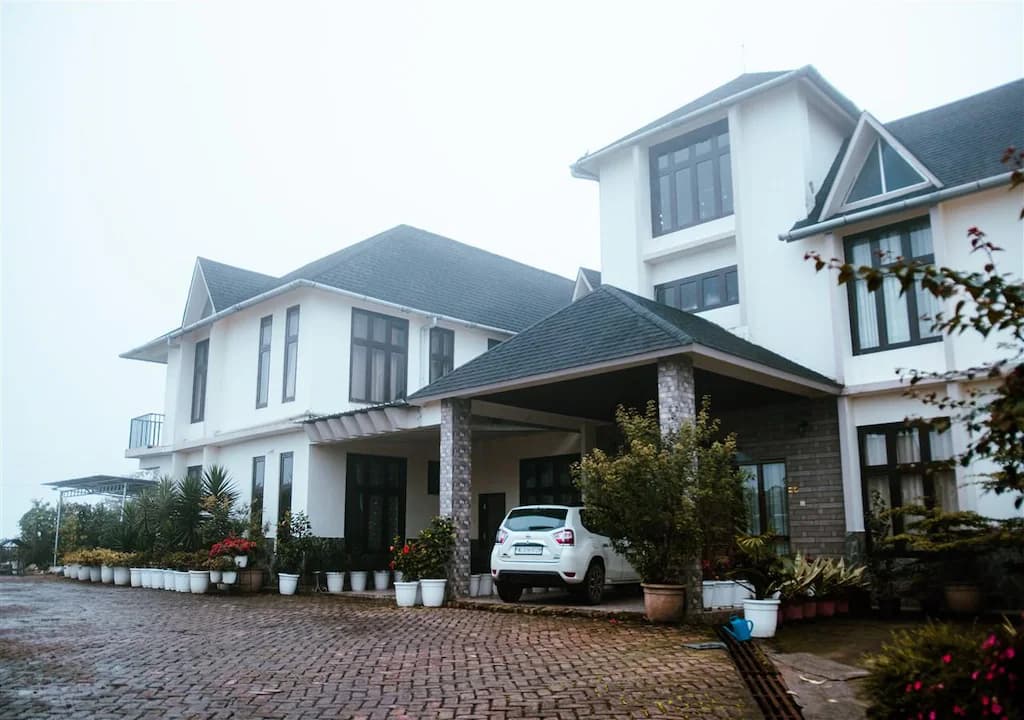
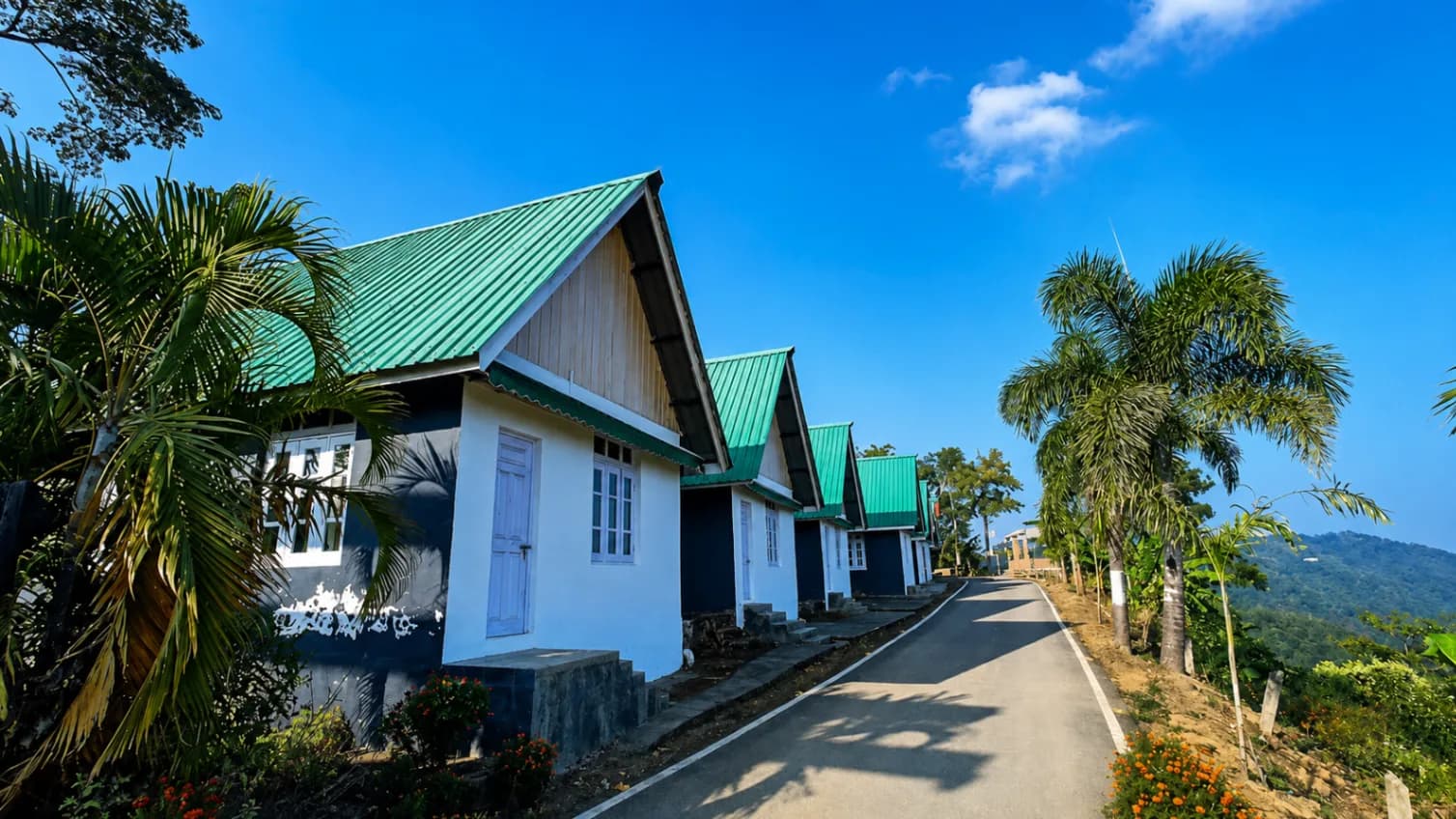
This is a Nagaland trip that climaxes at Hornbill, not a festival package with a state attached. You base four nights near Kohima at Akim in Jotsoma, a warm compound of cottages and rooms with home-cooked meals and hosts close by. From there the week builds: first contact with the festival at Kisama, a day in Khonoma, Asia's first green village, and the forest walks of Dzuleke where the river runs underground, then the peak, the Closing Ceremony, every Naga tribe present at full volume. When the festival crowds head home, you go deeper. Two nights in Tuophema, a cultural village built around twelve cottages for its twelve clans, with an optional dawn hike up Niathu Peak and a farewell dinner to close it properly. You saw Nagaland perform. Here you see it at home.
A note from the team
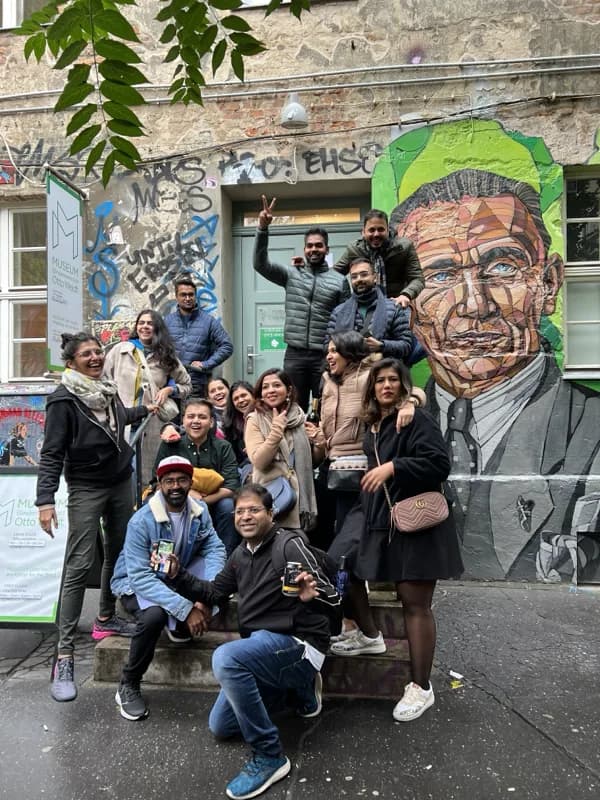
Ask your favourite AI for a trip and you will usually get a perfectly sensible TripAdvisor checklist: famous stop, quick photo, next stop. That is not how we want you to experience India.
We plan the hard-to-reach magic, then leave room for detours, long conversations and the moments no schedule can manufacture. After every edition, we keep what worked, change what did not and make this journey better.






01
Designed with intention, improved every time we run it and stripped of checklist filler. The whole journey, with room to actually be there.
02
A real ExCo facilitator, not someone reading from a tour-bus script. They know when to lead, bring people together and give you room.
03
We keep a strong noise filter, so the people beside you when the moment lands are fun, curious and full of life.
Audience guide
Bucketlist is for curious travellers who want destination-led adventures with a deliberately formed small group, enough structure to make the journey work, and room to experience the place in their own rhythm. Many people apply solo, including first-time solo travellers, but being solo is not a requirement for every edition.
Bucketlist is not gated by profession. Founders, creators and executives may join, but so may people from any other line of work; BHX is ExCo's separate founder-and-creator brain-vacation format.
The live edition decides the fit. Read its stated audience, capacity, price, activity level, route and inclusions before applying; those details are not universal across Bucketlist.
The big moments
The moments worth building the trip around.
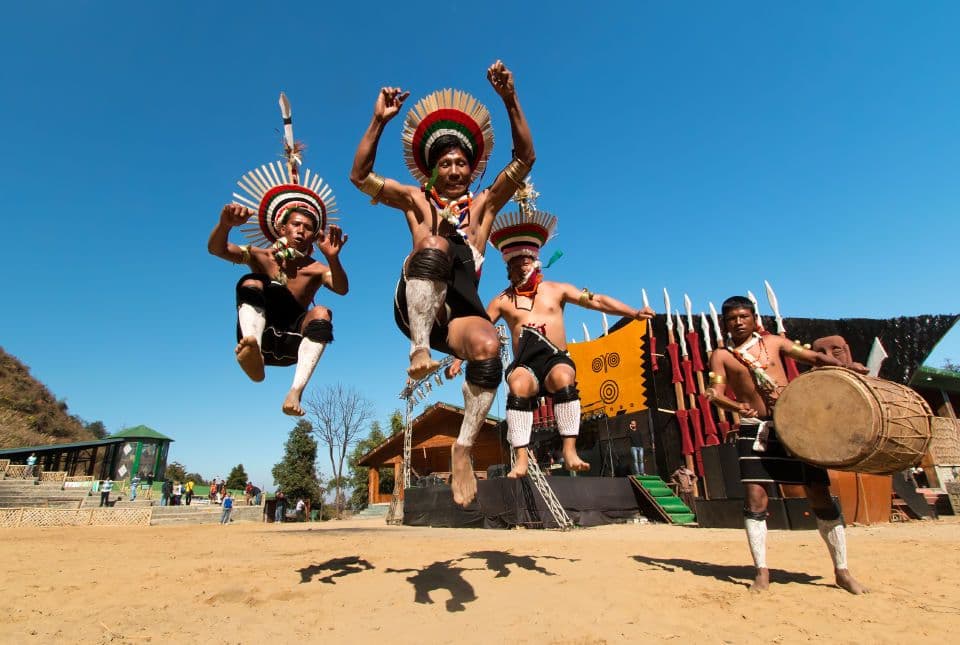
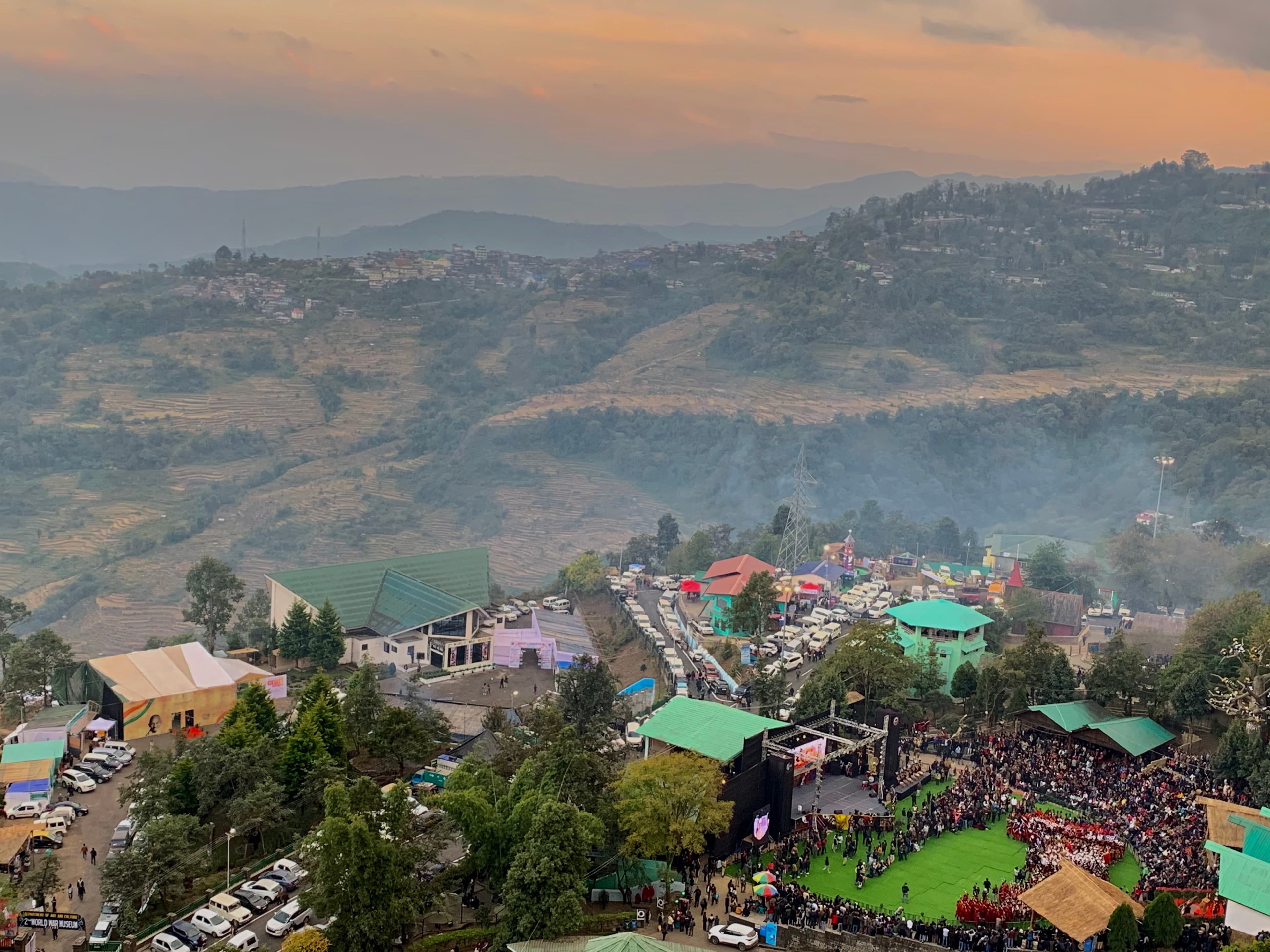
Full-day Hornbill Festival immersion at Kisama: the main arena, tribal morungs, Bamboo Hall and WWII museum
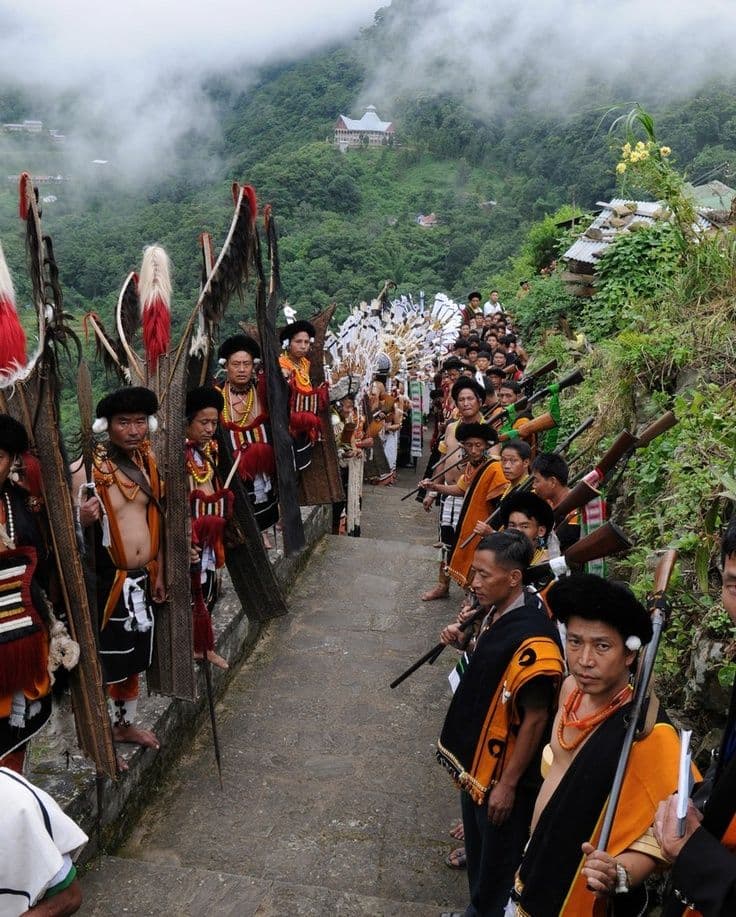
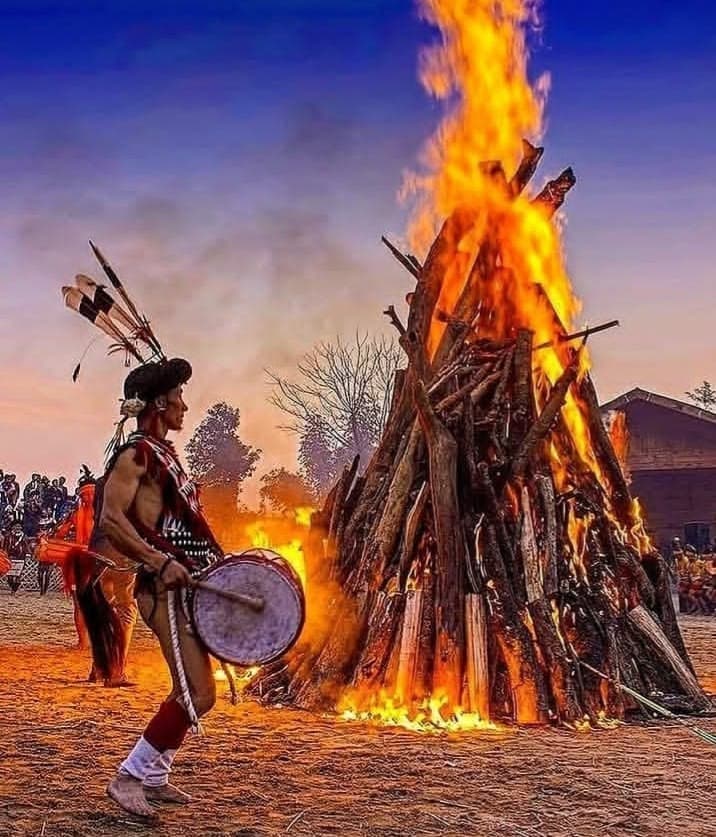
The Hornbill Closing Ceremony: all seventeen Naga tribes, full regalia, one ground
Guided heritage walk through Khonoma, Asia's first green village
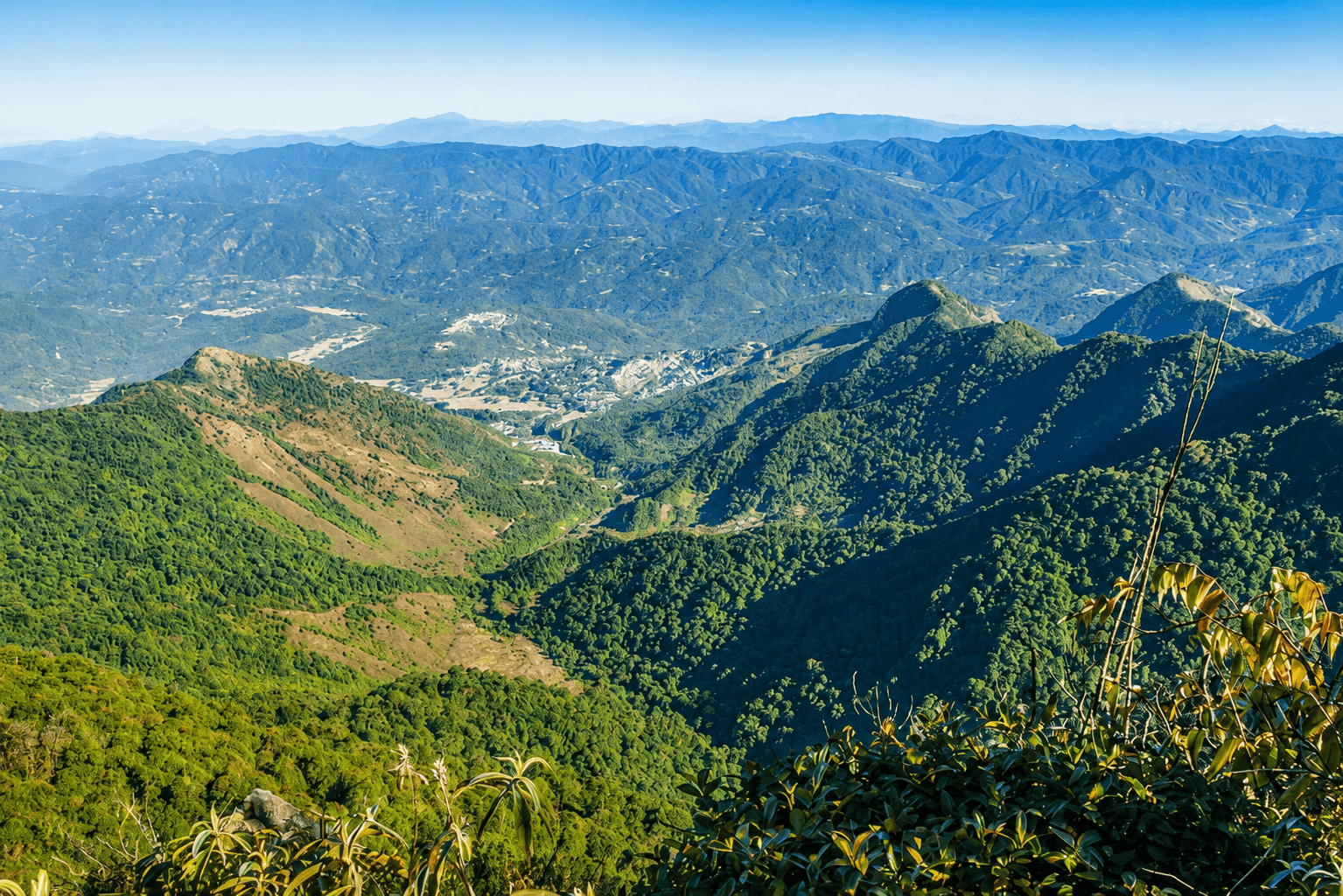
Forest walk in Dzuleke with a chance of spotting Mithun
Kohima town: the Cathedral, Bara Basti and the local Naga markets
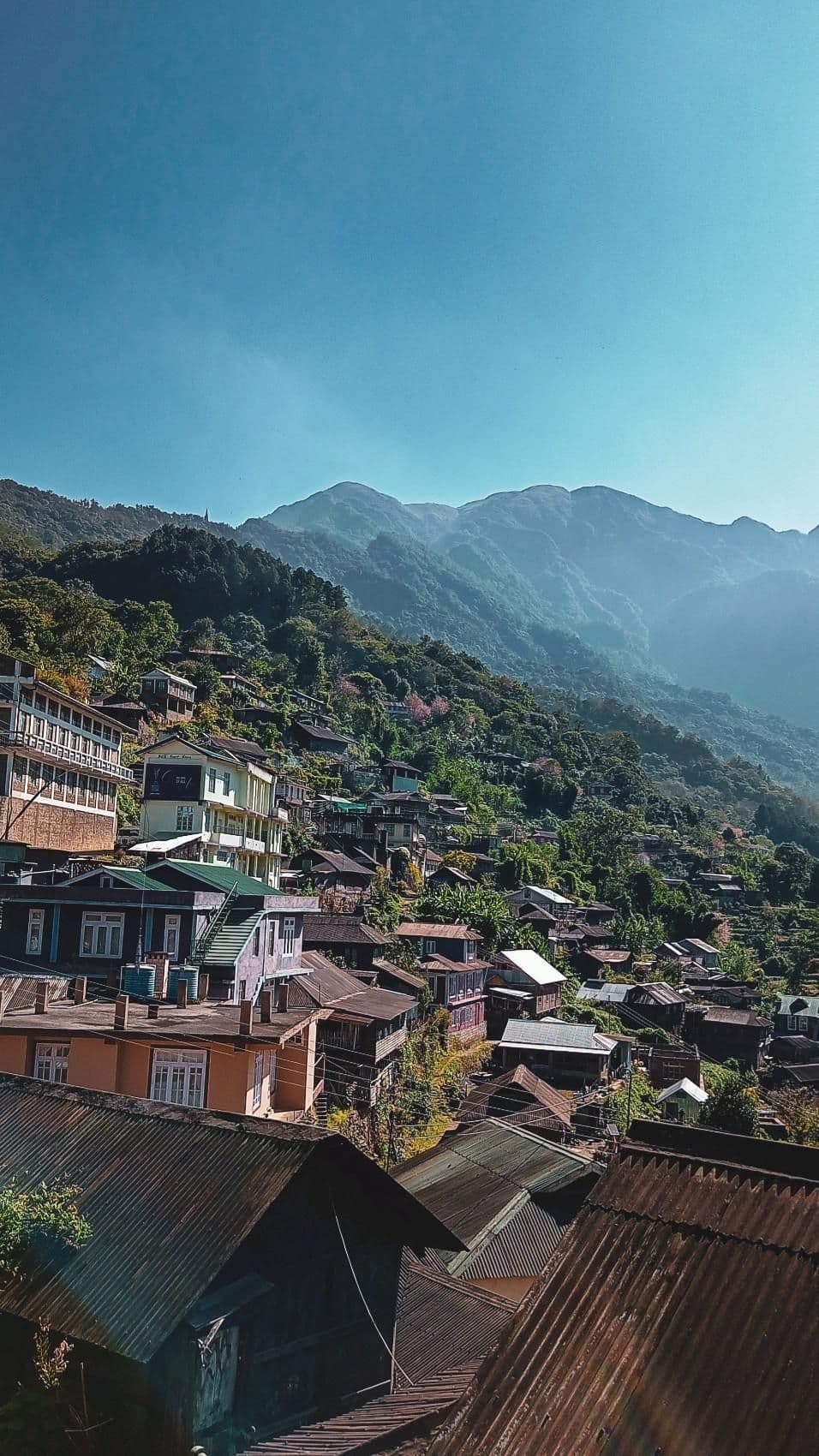
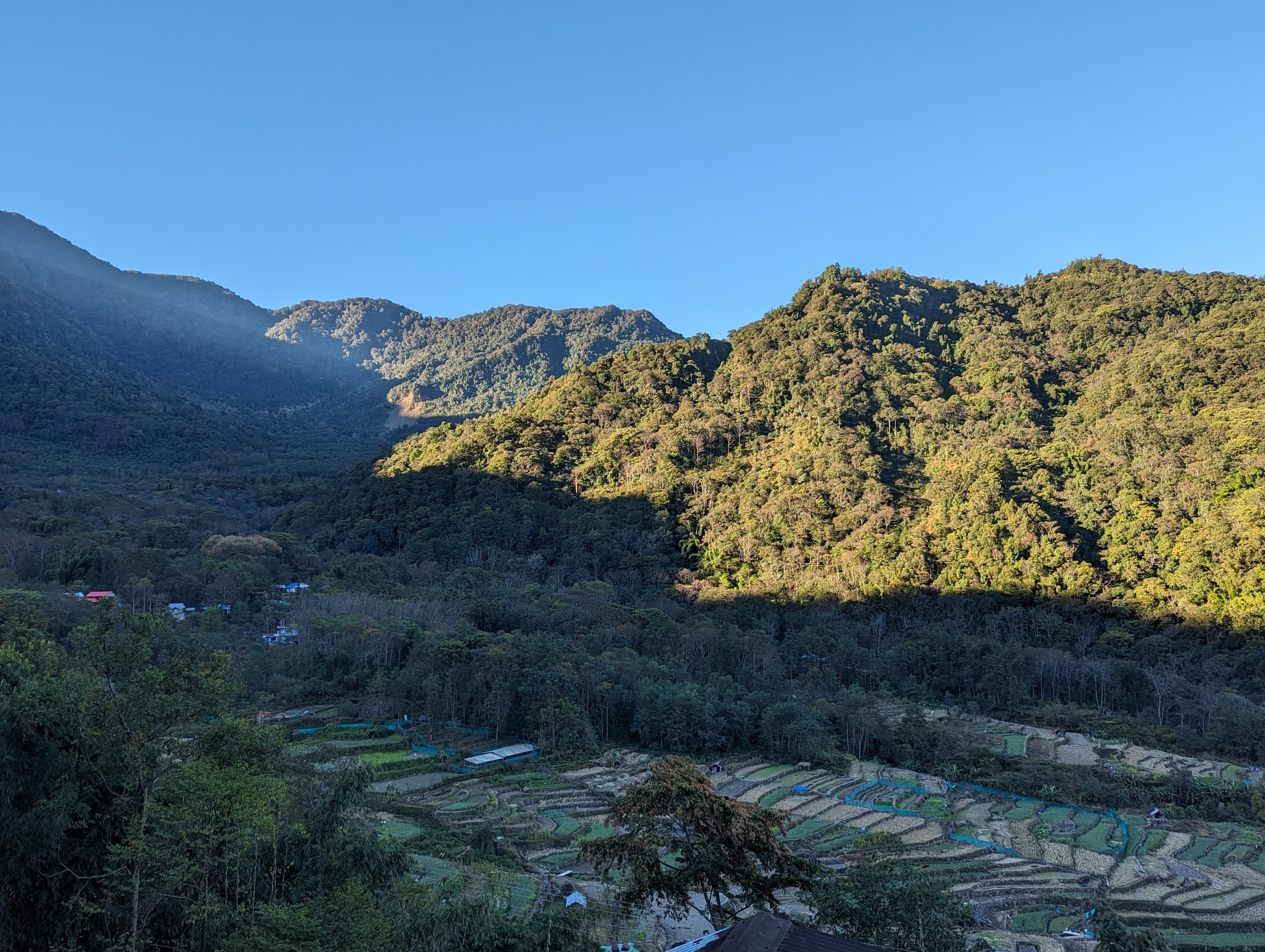
Tuophema village immersion: paddy terraces, clan cottages, crafts and an elder's stories
Optional two-hour dawn hike up Niathu Peak with a pack lunch at the top
DAY 01
DAY 02
DAY 03
DAY 04
DAY 05
DAY 06
DAY 07
Stay
We sometimes use these hotels, or hotels like these, depending on dates, availability, and the final rooming plan.
The practical bit
The useful list - without turning the journey into a receipt.
Cost to attend
₹99,000
No payment is collected when you request an invite. We confirm the departure, availability and full payment plan before you decide.
Why community × travel
In 2014, we started creating journeys in the hope that the right people, in the right place, could make something unrepeatable happen. From roadtrips across Iceland to sake crawls through Japan, that belief has only grown stronger.
Every creator, artist, rebel and doer deserves a space to travel with people they vibe with, to places that make them feel infinite. Across BHX, Festival of X and Bucketlist, travel has never been the finish line. It opens conversations, friendships and the kind of magic that is hard to explain once you are home.

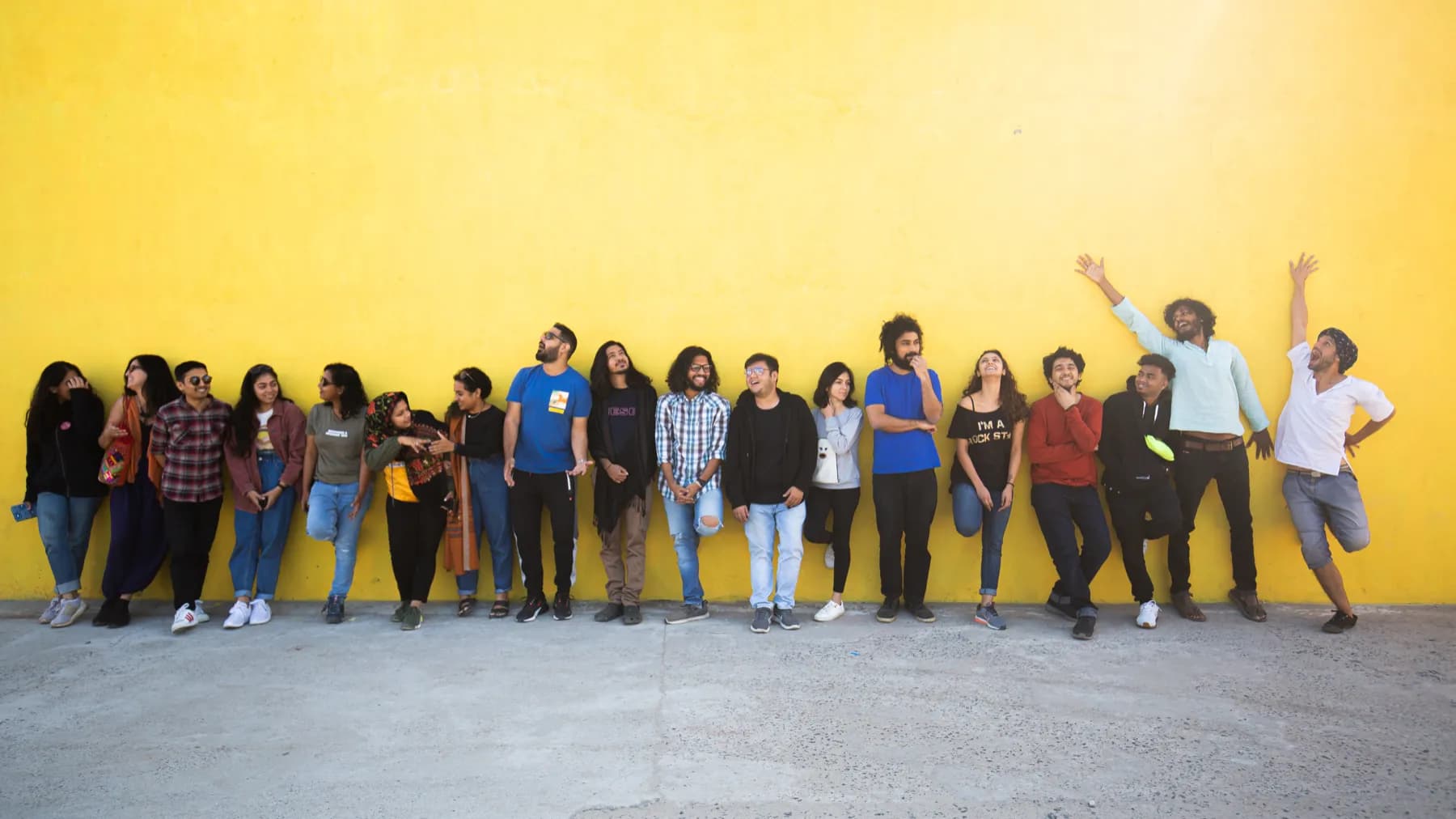
Making the room matter since 2014
BHX · Festival of X · Bucketlist
People first. Place, with purpose.
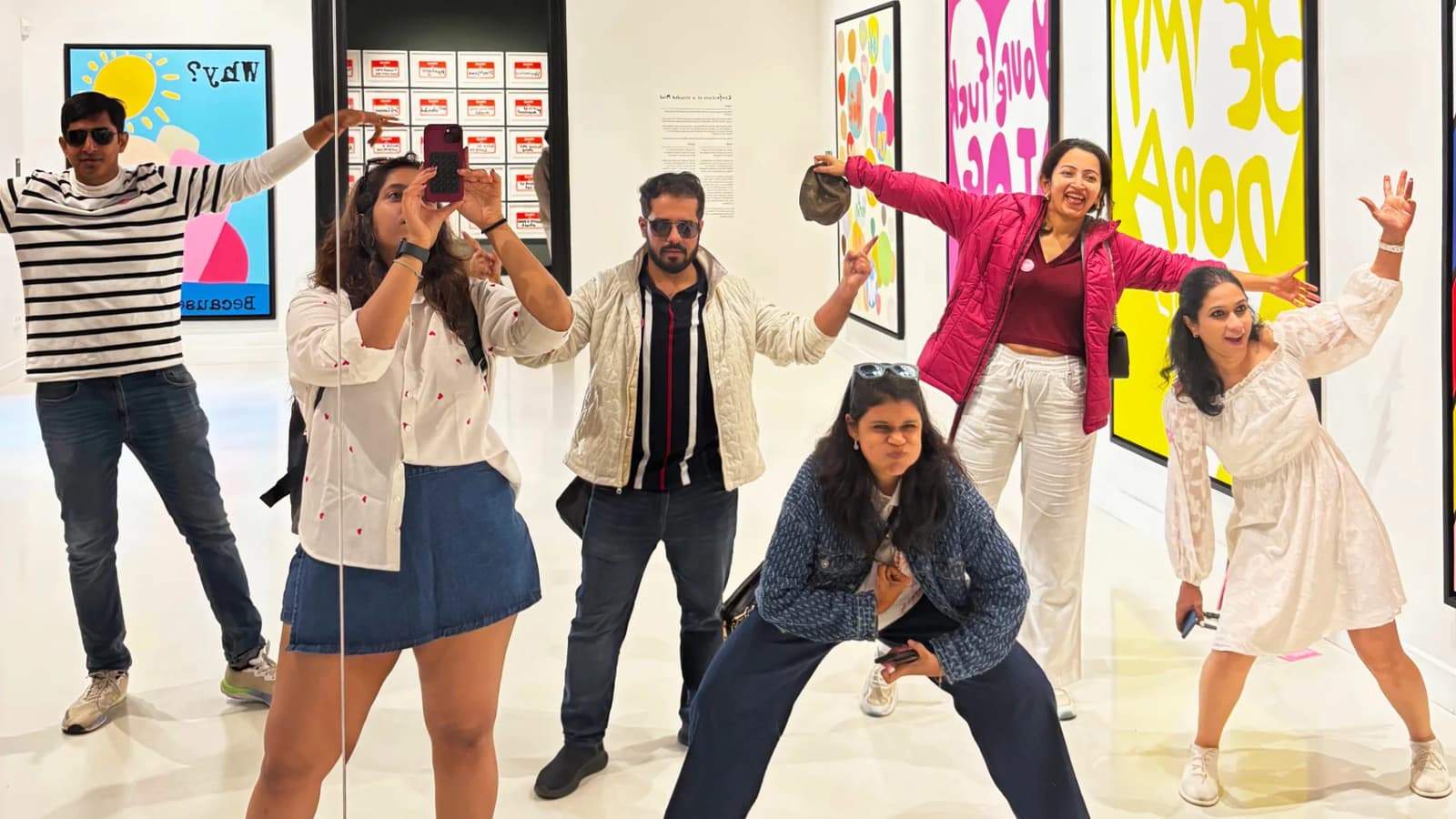
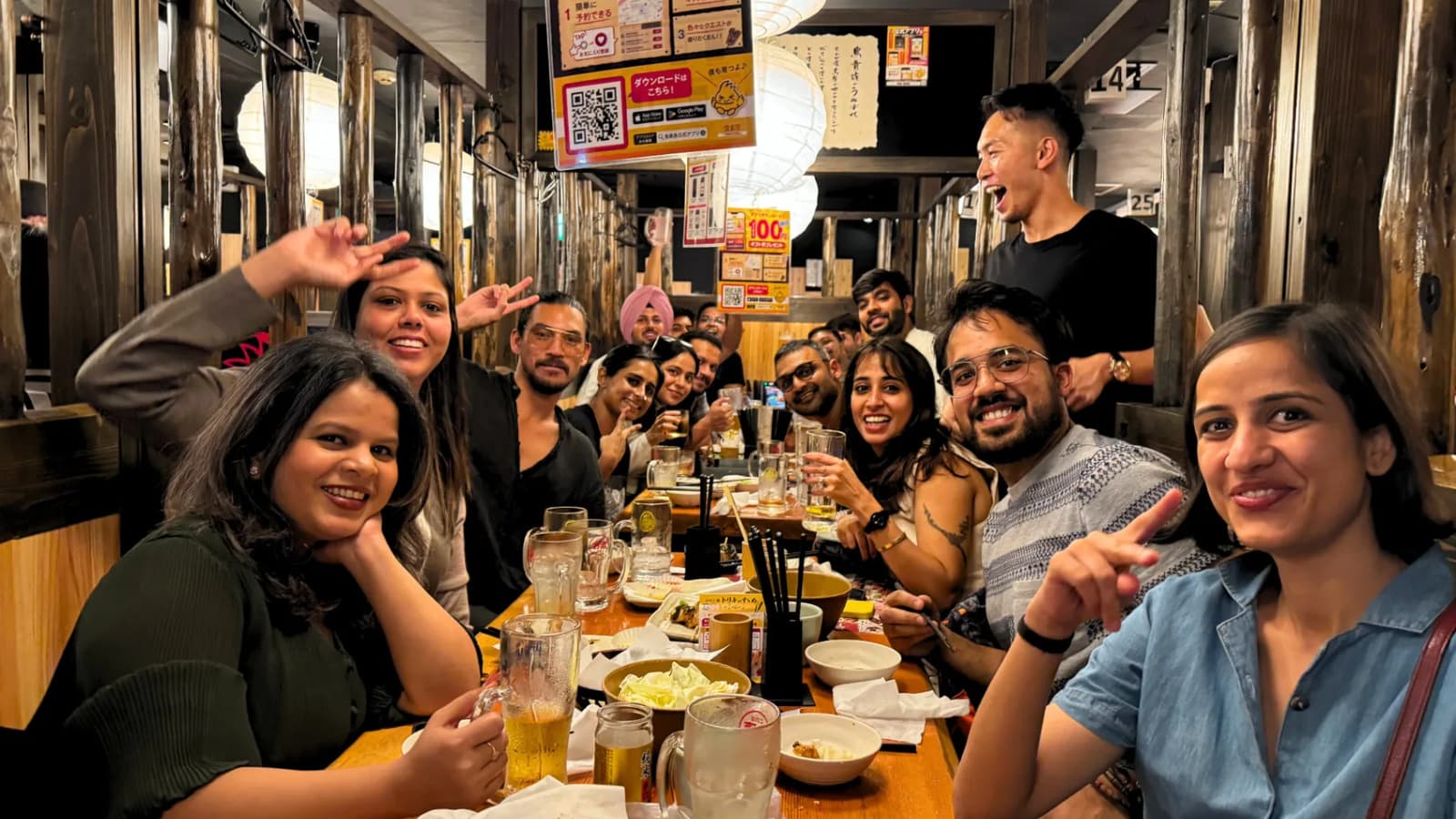
The Tribe has range
Some arrive talking. Some take a day to warm up. Both belong here.











Across the 12 months ending 29 July 2026, our travelled groups were close to balanced, with about 55% women and 44% men. The median traveller was 34 and the median group had 9 people. That is a historical snapshot, not a promise about the mix on a specific edition.
We design each edition around the destination rather than using a standard tour template. The usual rhythm is one or two experiences a day, with room to take the place in instead of rushing through a checklist.
Yes. Anyone aged 18 or older can apply. Our groups often skew from the late 20s to early 40s, but fit, energy and the experience itself matter more than fitting a narrow age band.
Yes. You can apply solo or with someone you know.
Pintso's team of two guides throughout, plus ExCo on-ground.
The festival is huge and the toilets are basic, porta-loos, crowds and dust on the closing day. Carry sanitiser and wipes, we hold group seating for the ceremony, and we set fixed meet points so no one gets lost in the crowd.
You can add festival days at the front (Hornbill runs Dec 1 to 10) or tag on an Assam or Meghalaya extension. Just plan flights around it and talk to us early.
A small group of 12 to 14 curious travellers who want culture over comfort. The village nights and shared festival days bond everyone fast. If you are coming solo, that is normal here, and most people leave with friends they actually keep.
Local rice beer and homemade brews at the stays and festival kitchens, which are genuinely worth trying. Proper bars are scarce. This is not a nightlife trip.
Roughly Rs 12,000 to Rs 25,000 on top of the trip, mostly flights, meals out and shopping. Carry cash, around Rs 1,000 a day, since UPI is patchy in the villages and ATMs thin out.
Absolutely. It is about two hours uphill, so if your knees are not up for it there is an easy village and craft walk with the second guide instead. No pressure.
All breakfasts, the Day 6 hike lunch, and five dinners, the welcome dinner, a group dinner, the live-music dinner after the ceremony, the Tuophema dinner and the farewell dinner. Lunches in town and the odd dinner are on you, and Kohima cafes and festival kitchens have plenty.
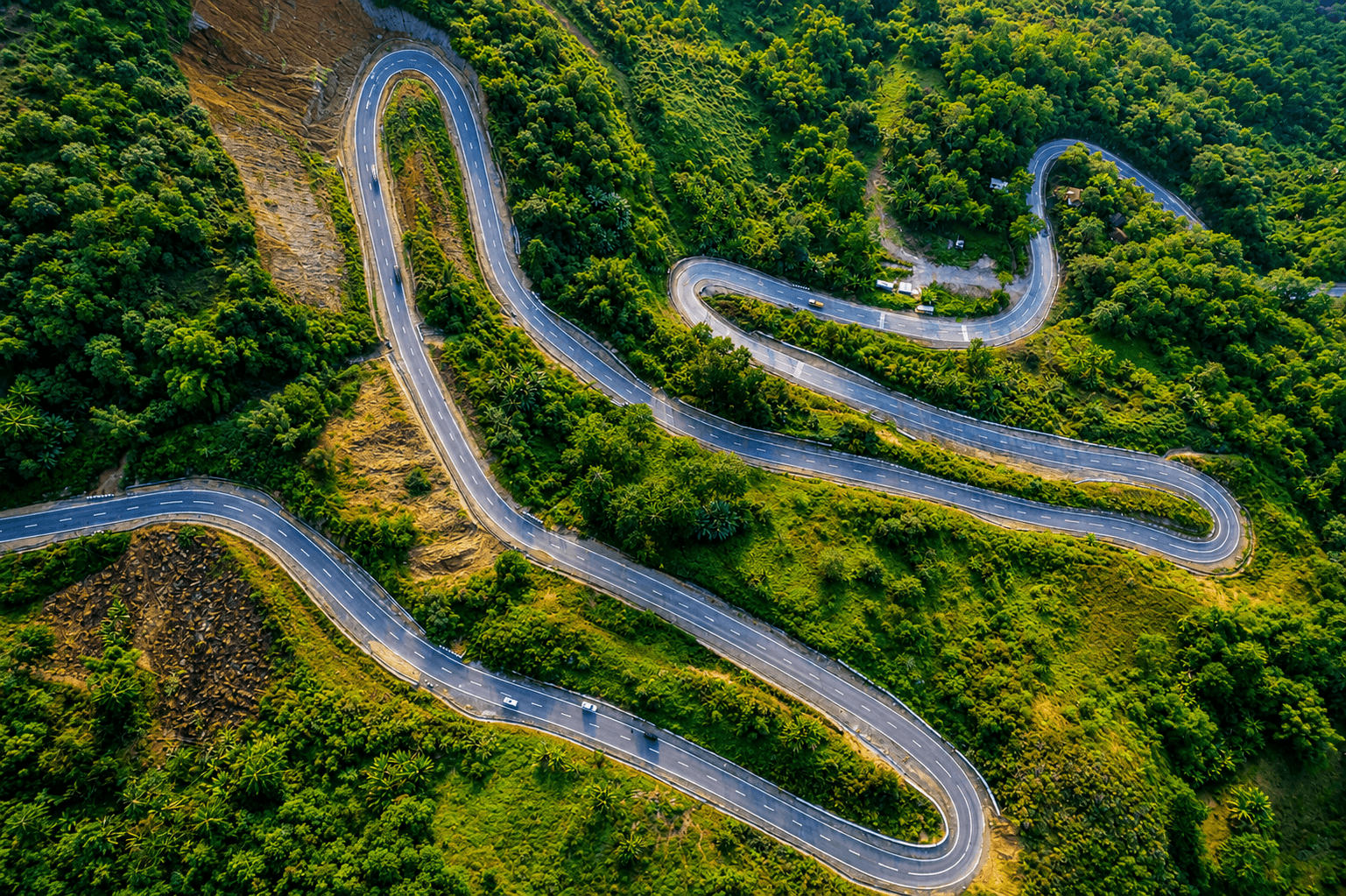
A fair bit, it is a hill state. About 3 hours in on Day 1, daily excursions, 3 out on Day 7, all on winding roads. Bring motion-sickness tablets if you are prone, and we keep a comfortable convoy with stops.
It is about a 3 hour drive up and Nagaland gets dark by around 4:15pm. Landing late means mountain roads in the dark, which is neither fun nor safe, so we ask everyone to land by late morning.
Fly into Dimapur (DMU). Flights are not included. Land before 11am on Day 1 so the drive up is in daylight, and book your return for the afternoon of Day 7.
Yes. Nagaland needs an Inner Line Permit for everyone, including Indian nationals. You apply online yourself at ilp.nagaland.gov.in (it needs a live photo, so it cannot be done for you). It is quick and Rs 200, just do not leave it to the last minute.
Four nights near Kohima at Akim in Jotsoma (a mix of cottages and rooms in one compound, home-cooked meals, your festival base) and two nights at Phezou Resort in Tuophema, a cultural village. Rooms are double occupancy and the village nights are rustic on purpose.
Cold, especially mornings and nights, down to around 5 degrees C in the hills, and village rooms are likely unheated. Pack proper layers and thermals. Days are pleasant.
Patchy. Dimapur and Kohima are fine, the villages drop in and out. Treat the village nights as a soft digital detox and tell people back home you will be slow to reply.
Honest answer, simpler than you are used to. Village food is home-cooked rice, dal and veg, nutritious rather than a restaurant spread, and Kohima has proper cafes. Vegetarians manage fine. Vegans should flag it early, since pork, fermented soya and dairy are common.
A full day of immersion early on and the whole Closing Ceremony day, so two solid festival touches. You are based close to the grounds, and by design the rest of the week is the deeper Nagaland the festival sits inside.
No. It is a 2/5. Village walks, a lot of driving, and long days on your feet at the festival. The only physical thing is the optional Niathu Peak hike, which you can skip.
It is a Nagaland trip that climaxes at Hornbill. You get a full festival day and the whole Closing Ceremony, the peak of the week, plus the villages, food, walks and brews on either side that make it land. If you want only the festival and nothing else, this is not that.
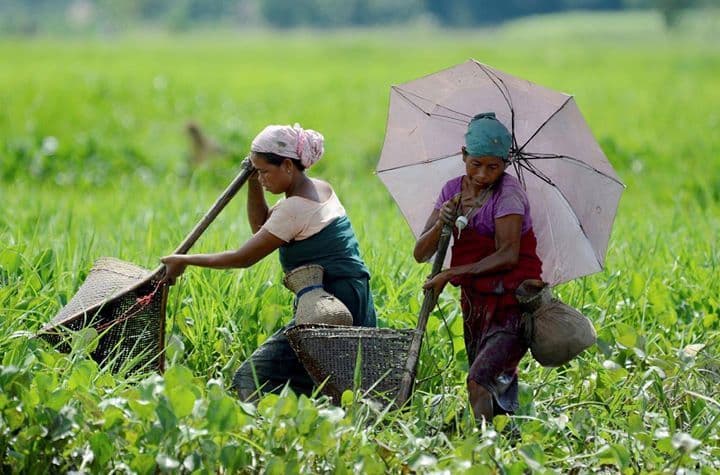
It's completely optional and not an extra cost. It's a traditional community fishing activity in Dzüleke's paddy fields — expect to get muddy and wet up to your shins, so wear or carry old clothes and sandals you don't mind ruining. If it's not your thing, you can sit it out and just enjoy the village setting instead — no pressure.
Max 14 travelers, so it stays intimate rather than a big tour-bus crowd. Expect a mix of solo travelers and small groups drawn together by the Bucketlist/Culture/Festival theme — this trip attracts people genuinely curious about tribal heritage and storytelling, not just festival photo-ops. Rooms are typically double-shared; let us know if you need a single or have a preferred roommate.
Nagaland is safe for travelers, including solo women — locals are welcoming and the festival atmosphere is family-friendly. That said, your trip coordinator is your first point of contact for any issue, day or night, and carries local emergency contacts (medical, police, resort). We recommend travel insurance (not included) for medical emergencies, and always keep a photo of your ILP and ID on your phone plus a physical copy.
Patchy, honestly — that's part of the Nagaland experience. Jio and Airtel have the best coverage in Kohima town, but Khonoma and Dzüleke (being remote hill villages) have weak or no signal. Grab a local SIM at Dimapur airport if you don't already have one, but don't expect reliable WiFi in the villages. Treat this trip as a good excuse to disconnect for a few days.
You'll be picked up from Dimapur airport in our Innova convoy — that's your ride for the entire trip, from airport transfers to daily transit between Khonoma, Dzüleke, and Kohima. No need to book local cabs or figure out shared transport; it's all handled, and you'll be traveling with the same group and driver throughout, which makes the mountain roads much easier.
Included: 5 nights stay (Wild Apple Resort Khonoma + La Colline Kohima), all Innova convoy transport, coordinator + local guides, village immersion & heritage walks, Hornbill Festival access (first-glimpse day + Closing Ceremony), 5 breakfasts, 4 meals. Excluded: flights to/from Dimapur, most lunches/dinners, alcohol, and personal expenses like shopping, tips, and travel insurance.
Alcohol isn't included in the trip but is available locally to buy — including Naga rice beer (Zutho) which is a genuine cultural experience worth trying, especially during Hornbill. Kohima has shops and festival stalls selling both local and regular brands. Drink water alongside, and go easy the first evening since you'll also be adjusting to the altitude and cold.
Vegetarian food is easily available across Kohima and the villages — rice, dal, local greens, bamboo shoot dishes are staples. Vegan is doable too, just flag it to your guide on day one so they steer you right at festival stalls and cafes. Heads up though: Naga cuisine is heavily meat and pork-based culturally, so vegetarian options, while present, won't be the star of the menu — set expectations accordingly.
Days hover around 15-20°C, nights and mornings drop to 5-10°C, especially in Khonoma and Dzüleke which sit higher up. Pack layers: thermal base layer, a fleece, and a proper windproof/insulated jacket for evenings. Also bring sturdy walking shoes (broken-in, not new), a cap, sunscreen, a power bank, and a reusable water bottle. Hornbill grounds get dusty — a light scarf or bandana helps.
This is Activity Level 2 out of 5 — genuinely manageable. Expect village heritage walks on uneven stone paths and some gentle hill terrain in Khonoma and Dzüleke, nothing technical. If you can comfortably walk 3-4 km at a relaxed pace with some inclines, you're set. The optional paddy-field fishing involves standing in shallow water/mud, so carry a spare pair of shoes for that.
Plan for INR 12,000–18,000 extra. That covers most lunches/dinners (INR 300–700 a meal at festival grounds or Kohima cafes), any alcohol you want (local rice beer/Zutho is a must-try, roughly INR 100–200), shopping at Hornbill (Naga shawls, jewelry start around INR 1000+), and tips for drivers/guides (INR 1500–2000 total is generous). Flights to Dimapur aren't included either — book early, prices spike in December.
Yes — Nagaland requires an Inner Line Permit (ILP) for Indian citizens, not a visa. It costs INR 200 and we handle the paperwork for you once you're confirmed on the trip. Foreign nationals need a Protected Area Permit (PAP) instead — if that's you, message us right away since it takes longer to process. Keep a scanned copy + physical copy handy during travel.
Our Promise
Every trip is invite-first, so you can understand the plan and the people before you commit.
The hard-to-plan parts are handled, with enough freedom to make the trip your own.
Visa guidance, payment flexibility, trip prep, host support, and a real human team watching the details before you ever reach the airport.
Your secure invite shows your confirmation window and payment steps. Review the terms for your booking before you commit.
The facilitator bench
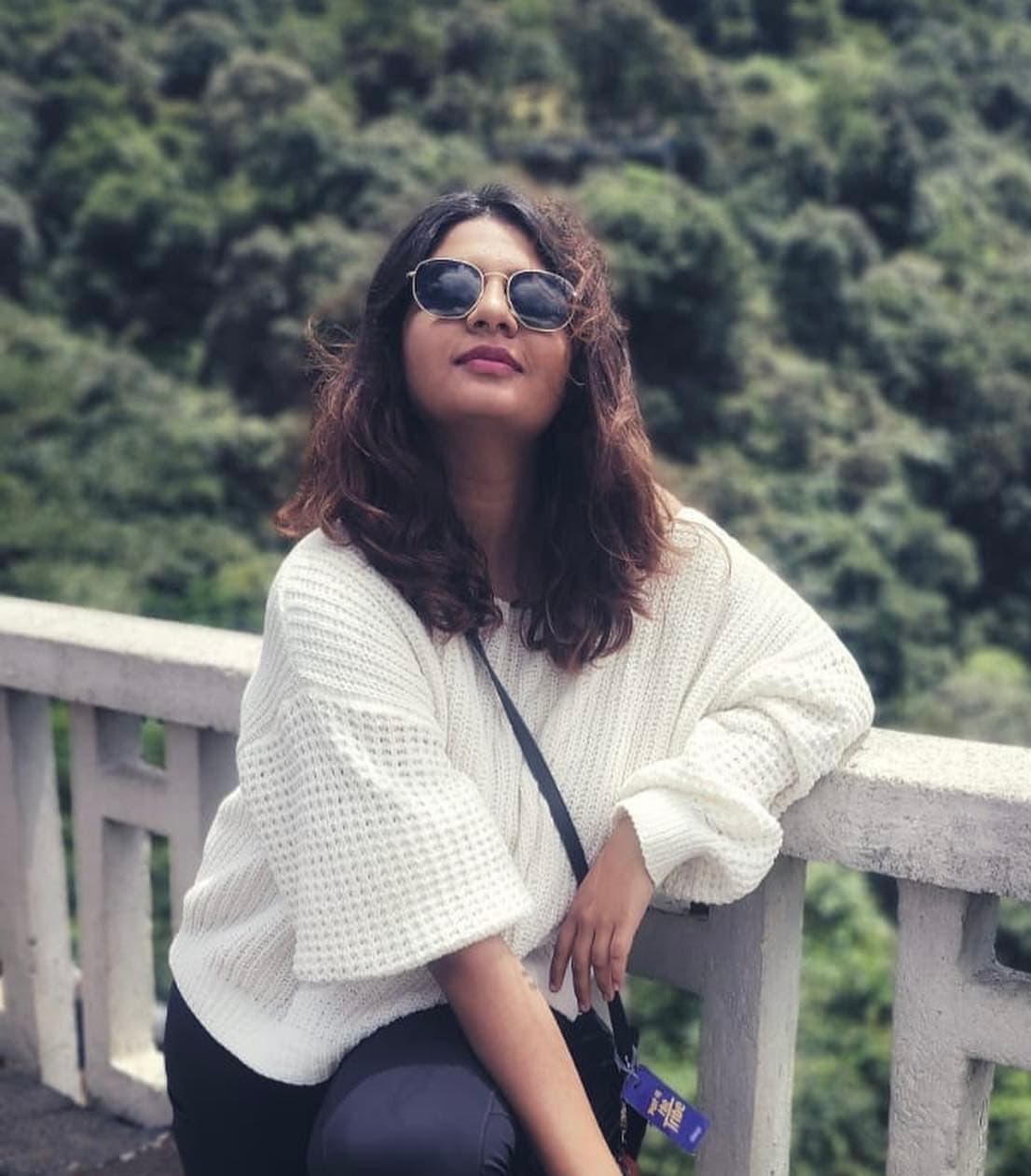
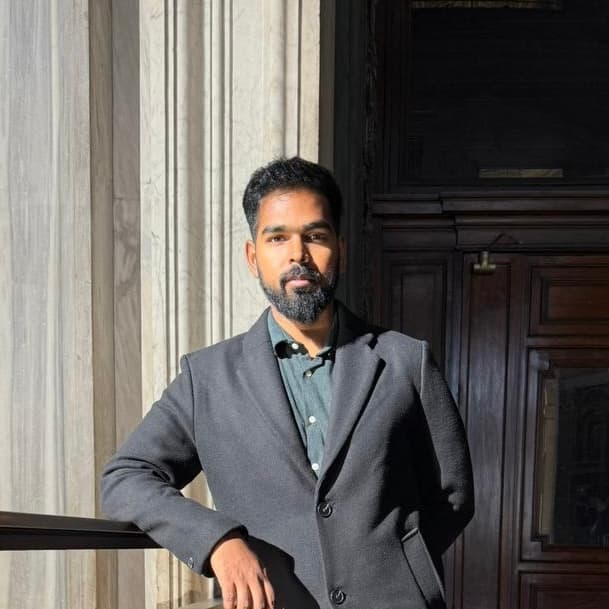
Not tour guides. Social engineers who read the energy, pull the quiet one in and know when to lead or disappear.
A glimpse of our facilitator bench. Your journey's facilitator is introduced before departure.
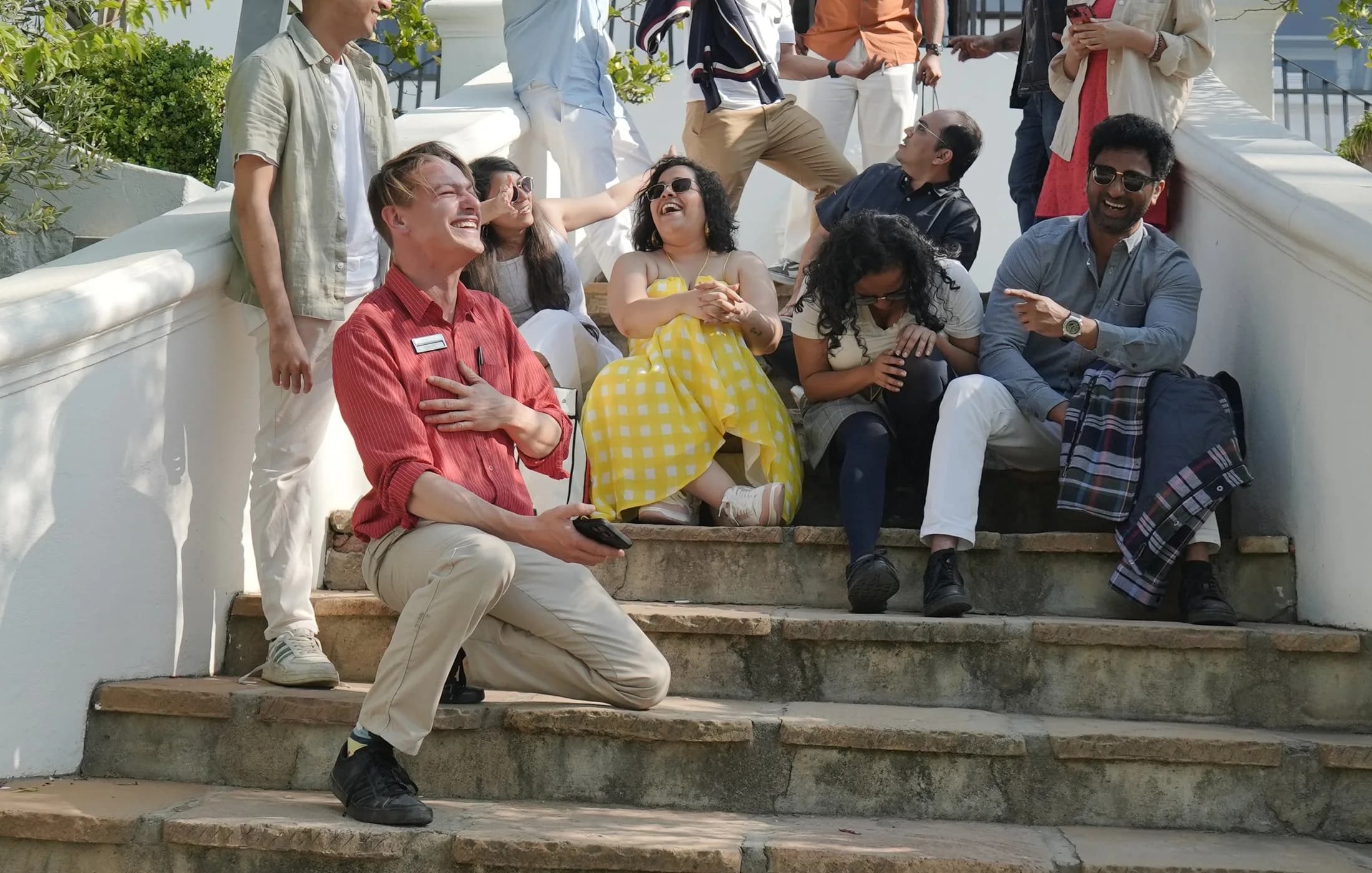
A future memory
A full trip, a real Tribe, and stories that do not need dressing up.
Keep looking
A few more ways to make the story yours. Swipe through the trips, then pick the one that feels right.
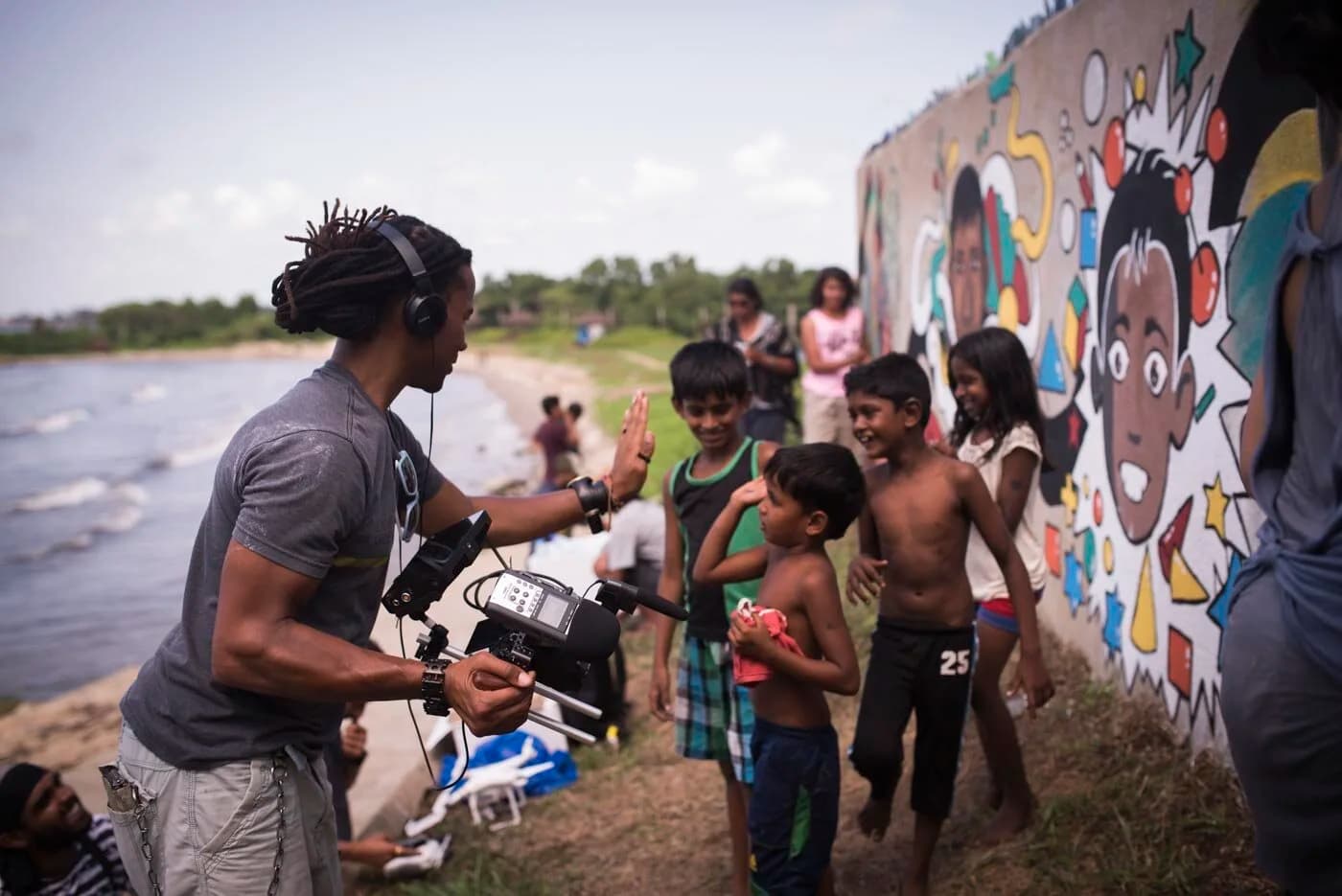
Bucketlist × Nagaland — Hornbill, From the Inside
Confirmed
No payment is taken when you apply. If approved, you'll review your invitation and payment details before confirming.